
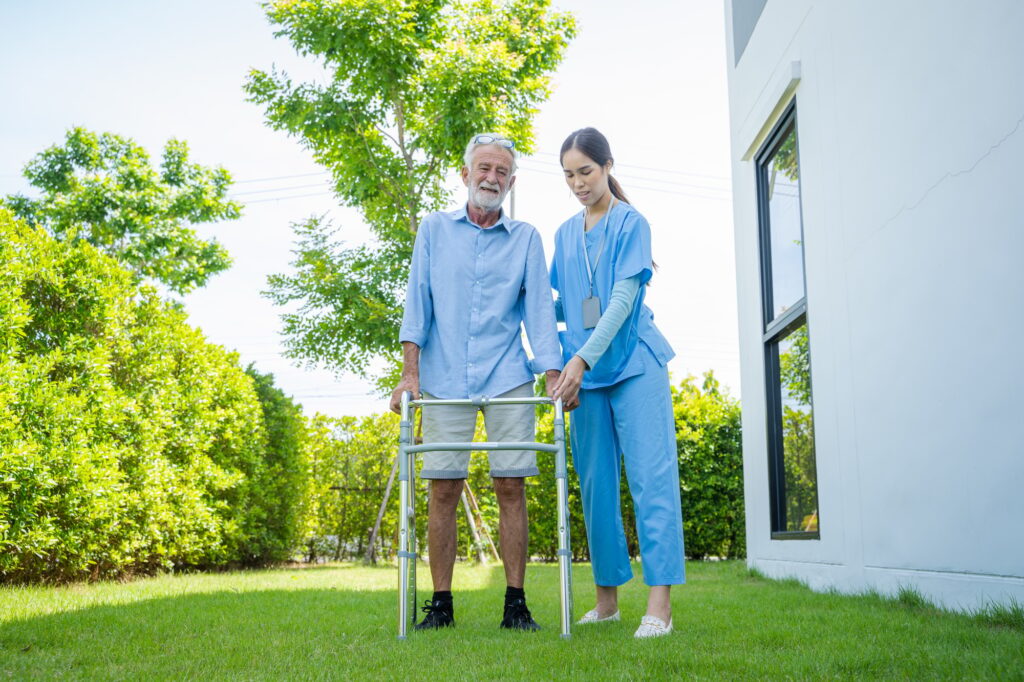
Today’s seniors are successfully living independently for longer than ever before. Unfortunately, all too often this independence is abruptly interrupted with a fall or other accidental injury, a diagnosis, or another unexpected event that precipitates intervention. To add to the stress of this situation, most families are facing ever increasing demands on their time, energy and resources-all of which are needed when helping elderly loved ones navigate this unfamiliar territory.
But there is good news!
While not all unforeseen events can be prevented-injuries due to falls largely can.
According to the Surveillance report on falls among older adults in Canada, published by the Government of Canada in March of 2022, the following was found:
“Falls among older adults are a public health concern worldwide. According to the World Health Organization, about a third of older adults fall each year. The percentage ranges from 32% to 42% for those 70 years or older.
In Canada, falls are the leading cause of injury-related hospitalizations and injury deaths among people aged 65 or older. Injuries from falls reduce older adults’ quality of life, increase caregiver demands, and precipitate admissions into long-term care.”
https://www.canada.ca/content/dam/hc-sc/documents/reserch/surveillance/senior-falls-in-Canada-en.pdf
Clearly, this is a situation that most everyone would prefer to avoid! While some of these injuries are due to factors that couldn’t be anticipated, such as an acute medical event, many of these falls are completely preventable. A few simple changes can make all the difference.
Clear the Clutter
Ensure that walking surfaces are level and free from clutter. Those beautiful scatter rugs that aren’t secured have to go. Resist the urge to place items that are to go from floor to floor in the home on the stairs. Ensure that there is adequate lighting and any required repairs to flooring, transitions etc. that could pose a trip hazard are completed promptly.
Ensure that hallways and bathrooms are large enough to accommodate safe mobility. For example, if a walker is required for safe mobilizing in the home, does it fit in the washroom? Are there adequate safety bars etc?
Have the right equipment
A great place to start is to have a home safety assessment to ensure that all of the necessary safety equipment is available and appropriate. There are a myriad of simple safety devices that can be easily installed-raised toilet seats, tub/shower rails, bath seats/stools, sask poles and M-rails to assist with mobility and safe transfers. An Occupational Therapist can assess and make recommendations. Equipment can be purchased or borrowed from community cupboards such as the HELP program through Red Cross (check your local area).
If your senior is experiencing mobility challenges, a physiotherapist can assess and suggest the most appropriate way to proceed. Strengthening exercises to preserve mobility (use it or lose it!) or equipment may be in order. For example, a four-wheeled walker with a seat may be suggested to provide extra support and a place to rest if required while walking.
Ensure the Home is appropriately Accessible
Are there stairs inside or outside of the home that are difficult for your loved one to navigate? Whether it’s a ramp to get up the steps to enter or exit the home, or a stair lift for inside, there are solutions that can help prevent falls. In some cases funding may be available to assist with offsetting the expense.
Be Prepared for the Weather
Ensure that snow and ice are cleared in a timely manner. There are “Snow Angel” programs in many communities that offer free snow shoveling for seniors that live alone. Ensure that adequate footwear is worn for outdoor adventuring. “Penguin walking” is a good practice. AHS produced a great video that demonstrates this. https://youtu.be/LHaWGibGwyk?si=2VOr9qca_R1_M3lV. In wetter locations, moss and algae can be an issue. Arrange for pressure washing to avoid accidental slips.
No One Plans for an accident
… And in the event that despite everyone’s best efforts it still happens-there are actions that can be taken to mitigate the consequences. One of these items is a fall alert system.
There are a variety of fall alert monitors available, including applications that will send a notification to family members alerting them that there has been a change in elevation. Depending on the preferences of the wearer and the person alerted, the response can range from a phone call or text to confirm everything is OK to EMS activation. Early awareness that a fall has occurred allows for early intervention. Early intervention can significantly affect the outcome.
For More Information
If you or someone you know would like more information on services or needs help navigating the healthcare system please visit Segueseniorshealth.ca. We are dedicated to providing in-depth advice for seniors and their families when it comes to accessing home care, transitioning to assisted living, Long Term Care and everything in between.
Our highly trained Registered Nurses work with families and individuals to identify and coordinate the resources available and best suited for their unique situation. By explaining processes and helping clients translate the information they are receiving, they are able to move forward with confidence.
We understand that making the right decisions can be difficult and feel confusing. We’ll help ensure you have all the information you need to proceed with peace of mind.
Kari Scott, RN CM
Segue Seniors Health Consulting
Tel. (587) 576-3663
Segueseniorshealth.ca
Peace of Mind Through Compassionate Support
