
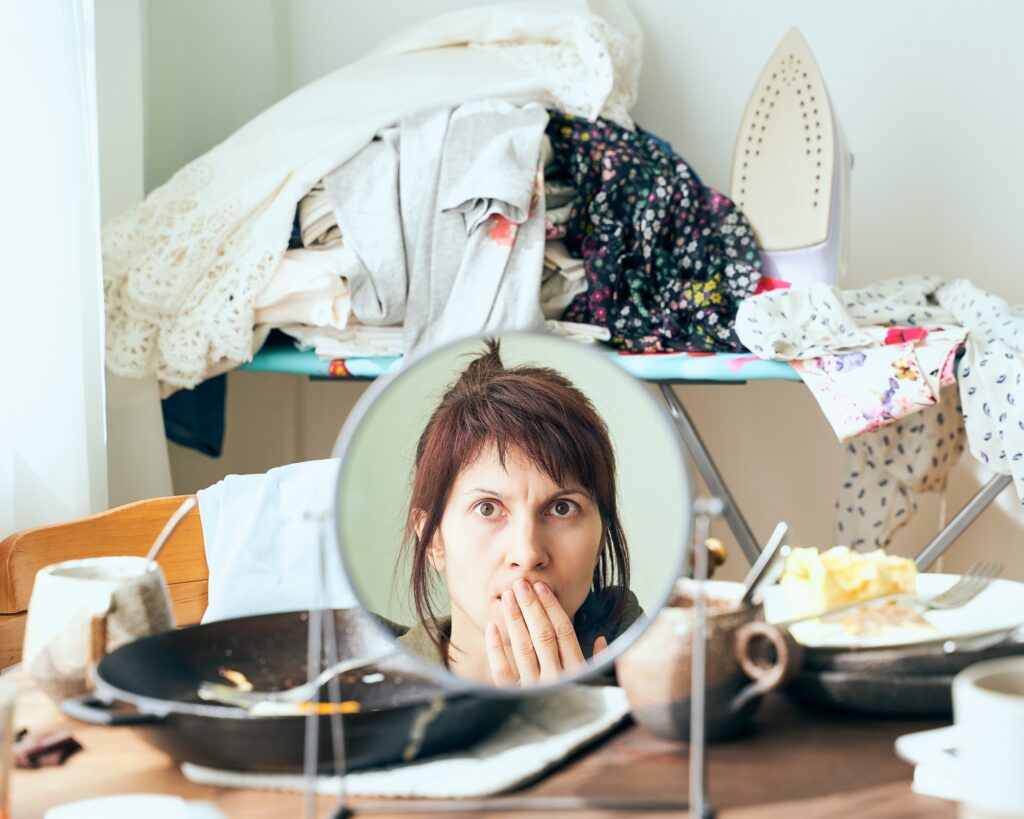
In a busy world, clutter quietly builds up—physically, emotionally, and mentally—until it weighs us down. More than a simple cleaning task, decluttering is a meaningful act of self-care. It supports mental health, eases stress, enhances safety for seniors, and helps prepare loved ones for the future. Through this thoughtful process, we create not just space, but clarity and peace of mind.
What Exactly Is Decluttering, and Why Is It Important?
Decluttering is the process of simplifying your life and living spaces by intentionally removing items that are no longer needed, used, or loved. It’s not just tidying—it’s a mindful re-evaluation of our surroundings. When we clear away the excess, we reduce stress, reclaim time, and create a space that supports mental and emotional wellness.
Clutter as a Mirror of the Mind
Our physical clutter often reflects our internal state. For many—especially women in midlife—belongings hold memories of past lives, roles, or unmet dreams. Letting go can feel like losing a piece of ourselves. But holding on too tightly can create stress, mental fatigue, and emotional weight.
Research shows clutter increases cortisol levels, particularly in women, contributing to overwhelm and fatigue. Recognizing this connection allows us to approach decluttering with compassion rather than shame.
Why Is Decluttering So Hard?
The difficulty lies in our psychology. The “endowment effect” causes us to overvalue what we own. Sentimental items tie us to the past. Fear of future need (“what if I need this someday?”) creates hesitation. Add to that guilt, shame, and clever marketing—and it’s no wonder the clutter sticks.
Decluttering as a Therapeutic Process
Decluttering can be as therapeutic as journaling or meditation. It invites self-reflection: “What am I ready to release? What still serves me?” Sorting through belongings becomes an emotional and symbolic process. Letting go can be an act of healing.
Sometimes self-care is as simple as saying: “I choose peace over potential.” Removing physical and emotional obstacles allows more room for joy, purpose, and presence.
Practical Strategies to Declutter Effectively
Start small—one drawer, one shelf, one room at a time. Try the rule: “If it’s not a clear yes, it’s a no.” Use categories like “keep,” “donate,” and “discard.” Take breaks (20 minutes of decluttering, 10-minute rest), and don’t rush decisions. Adopt habits like the “one in, two out” rule to prevent re-cluttering.
Mental Health, Clarity, and Control
Reclaiming our space restores a sense of control and reduces anxiety. Decluttering boosts self-efficacy—the belief that we can manage our lives. It brings emotional relief and clarity, especially when dealing with worry, grief, or overwhelm.
It’s not about perfection. It’s about progress. Even small steps—like clearing a nightstand or putting needed emails in folders—can shift our mindset toward empowerment.
How to Decide What to Keep and What to Let Go
Ask yourself:
-
Do I use it?
-
Does it serve my life now?
-
Does it bring joy?
If you’re unsure, consider a “maybe box” to revisit later. Photograph sentimental items you’re ready to release. Align your choices with your values and the life you want to create.
Decluttering to Reduce Decision Fatigue
Clutter increases daily decisions—what to wear, where to put things, what to clean first. This leads to decision fatigue, which drains mental energy. A decluttered space reduces these decisions, creating more room for self-care and calm.
Letting go also lightens our emotional load. Items tied to guilt, grief, or lost identities can quietly weigh us down. Releasing them frees emotional space for healing.
Where Does Clutter Hide?
Hidden clutter often lives in:
-
Closets (unworn clothes)
-
Drawers (junk, cords, papers)
-
Under the bed
-
Garages and basements
-
Bathrooms (expired products)
-
Kitchens (unused appliances and expired products)
-
Digital spaces (emails, apps)
These areas can be tackled gently, one at a time.
Decluttering for Senior Safety
For older adults, clutter isn’t just stressful—it’s dangerous. Tripping hazards, blocked pathways, and inaccessible items increase the risk of falls. A simplified space supports safety, independence, and peace of mind.
For those with cognitive decline, minimalism can reduce confusion. Clear surfaces and organized layouts provide visual clarity and safer movement.
Decluttering also helps with hygiene and respiratory health. Removing dust, expired items, and mold-prone clutter supports wellness—a cornerstone of healthy aging.
Sentimental Decluttering and Life Transitions
Downsizing after a move, retirement, or loss is deeply emotional. Start small. Take breaks. Keep only the most meaningful pieces. Photograph objects that hold memories. Involve supportive loved ones when possible.
The Swedish Death Cleaning approach encourages mindful downsizing to reduce the burden on others—an act of love, not morbidity.
Decluttering and the Executor’s Burden
After someone passes, sorting through decades of belongings can be painful and overwhelming. Decluttering while alive, especially in later years, relieves this emotional and logistical burden from family or executors.
It can also prevent conflicts over items and provide clarity around wishes. Fewer possessions mean more room for remembrance, less room for resentment.
Decluttering now ensures your legacy is one of thoughtfulness, not chaos.
Long-Term Maintenance and Mindful Consumption
To stay clutter-free:
-
Adopt a “one in, one (or two) out” rule
-
Assign homes for everyday items
-
Tidy regularly—small messes grow fast
-
Curb impulse buying
-
Let go of “just in case” thinking
This mindful approach keeps your space aligned with your values and priorities.
Science-Backed Stress Reduction
Neuroscience confirms: clutter elevates cortisol (stress hormone) and impairs focus. Clear spaces support clarity, better sleep, and emotional regulation.
Organized environments also promote healthy habits—better food choices, movement, and sleep. One study showed people in tidy rooms were more likely to choose nutritious snacks.
Decluttering reduces sensory overload, which in turn improves time management, mood, and cognitive performance.
Decluttering as Empowerment for Women 45+
For women navigating midlife, menopause, caregiving, or grief, decluttering is a powerful way to reclaim identity and intention. It asks, “Who am I becoming?” and “What do I want to carry forward?”
This process empowers women to let go of outdated roles and possessions, and invest in what nourishes them now. It’s not just about creating space—it’s about creating freedom.
A Sustainable Practice, Not a One-Time Event
Decluttering is a rhythm, not a sprint. Life evolves, and our spaces should reflect that. Periodic re-evaluation keeps our homes responsive to our current needs.
Digital clutter also matters. Clearing inboxes, deleting old files, and limiting distractions creates calm and clarity.
Mindful consumption—asking “Does this support my well-being?”—helps prevent new clutter from entering.
Compassion Over Perfection
Decluttering isn’t about being ruthless—it’s about being kind. Not everything needs to go today. Some stories take time to release.
Move gently. Celebrate progress. Let guilt teach, not shame. When helping others, especially elders, lead with patience and respect.
Decluttering done in connection, with yourself or with others, becomes a beautiful act of care.
Beyond the Tidy Home: Emotional Freedom
Decluttering reduces stress, calms anxiety, and improves focus. It boosts confidence and a sense of control. Letting go of painful reminders or outdated items clears space for growth.
Some even find self-discovery through the process—reflecting on fears, attachments, and emotional patterns linked to their belongings.
Conclusion: Decluttering as Legacy
Decluttering is more than organizing—it’s preparing, healing, and honoring life. For seniors, it ensures safety. For families, it eases transition. For everyone, it brings empowerment, peace, and purpose.
In choosing less, we gain more: more clarity, more time, more space to live and love fully.
Decluttering is not just self-care—it’s soul care. And in a world that constantly asks for more, saying “enough” is a radical act of freedom.